Quick Comparison: Best DEX by Use Case
| Use Case | Best DEX | Chains | Key Strength | Avg. Fee / Slippage |
|---|
| Beginners | PancakeSwap | BNB Chain | Ease of use, low fees | 0.2% |
| Stablecoin Swaps | Curve Finance | Ethereum / L2s | Deep stable liquidity | <0.01% |
| Cross-Chain | THORChain | Multi-chain | Native BTC–ETH swaps | ~0.3% |
| Derivatives & Leverage | Aster | Multi-chain | 1001x leverage, cross-margin perps | 0.0005% maker / 0.04% taker |
| On-Chain Order-Book Speed | Hyperliquid | Hyperliquid L1 / Arbitrum | CEX-level latency, pro trading | 0.00–0.035% |
| Gas Efficiency | 1inch Network | Multi-chain | Smart routing aggregator | — |
| Solana Users | Orca | Solana | Fastest execution | 0.1% |
| Yield Providers | Balancer | Ethereum / Polygon | Programmable liquidity pools | — |
| Institutional Trading | Uniswap V4 | Ethereum + L2s | Hooks & dynamic fees | 0.05%–1% |
The decentralized exchange ecosystem is no longer one-size-fits-all. Each leading DEX has to serve a specific trading need, from retail-friendly swaps to high-frequency derivatives. Below is a quick reference matrix summarizing the best platforms by primary use case, built from current performance data and user segmentation across 2026.
Best for Beginners
PancakeSwap (BNB Chain)
Designed for simplicity and low fees, PancakeSwap is ideal for first-time crypto traders. Its clean interface, accessible wallet integration, and high token variety lower the barrier for DeFi entry.
- Fee Range: 0.2% per swap
- Wallets Supported: MetaMask, Trust Wallet, Binance Wallet
Best for Stablecoin Swaps
Curve Finance (Ethereum, Arbitrum)
Curve’s liquidity depth and low-slippage algorithm make it the default venue for stablecoin and wrapped asset trades.
- Average Slippage: <0.01% on major pairs
- Best Pools: 3pool (USDT/USDC/DAI), stETH/ETH
Best for Cross-Chain Swaps
THORChain (Multi-Chain)
THORChain enables true native asset exchange between blockchains, no wrapped tokens, no bridges.
- Supported Assets: BTC, ETH, BNB, ATOM, AVAX, LTC
- Swap Fee: -0.3% average, depending on network gas
Best for Derivatives & Leverage
Aster (Multi-Chain Perps)
Fast-growing perps DEX with cross-margin and stable-collateral pools, geared toward low-fee leverage trading and smaller accounts.
- Leverage: Up to 1001x
- Fees (Maker/Taker): 0.0005% / 0.04%
Best for On-Chain Order-Book Speed
Hyperliquid (Hyperliquid L1, Arbitrum)
Fully on-chain order book targeting CEX-like latency for professional traders.
- Execution: Millisecond-level matching
- Fees (Maker/Taker): 0.00–0.01% / 0.019–0.035% (tiered)
Best for Gas Efficiency
1inch Network (Aggregator)
By routing trades through multiple DEXs in one transaction, 1inch saves on gas while ensuring optimal pricing.
- Gas Savings: Up to 20% compared to manual swaps
- Networks: Ethereum, BNB Chain, Polygon, Arbitrum
Best for the Solana Ecosystem
Orca (Solana)
Built natively on Solana, Orca offers one of the fastest swap experiences in DeFi with minimal latency.
- Transaction Time: <1 second
- Average Fee: -0.1%
Best for Yield-& Farming
Balancer (Ethereum, Polygon)
Balancer enables programmable liquidity pools where traders earn yield while maintaining portfolio balance.
- Key Feature: Custom-weight pools for passive income
- Typical APY: 6%–14% on major pools
Best for Institutional Trading
Uniswap V4 (Ethereum + L2s)
With programmable “hooks,” Uniswap V4 supports custom liquidity logic, routing, and fee control—features preferred by funds and advanced DeFi desks.
- Fee Control: Dynamic per-pool rates
- Integrations: Arbitrum, Base, Optimism
Key Features That Define Top DEX Platforms
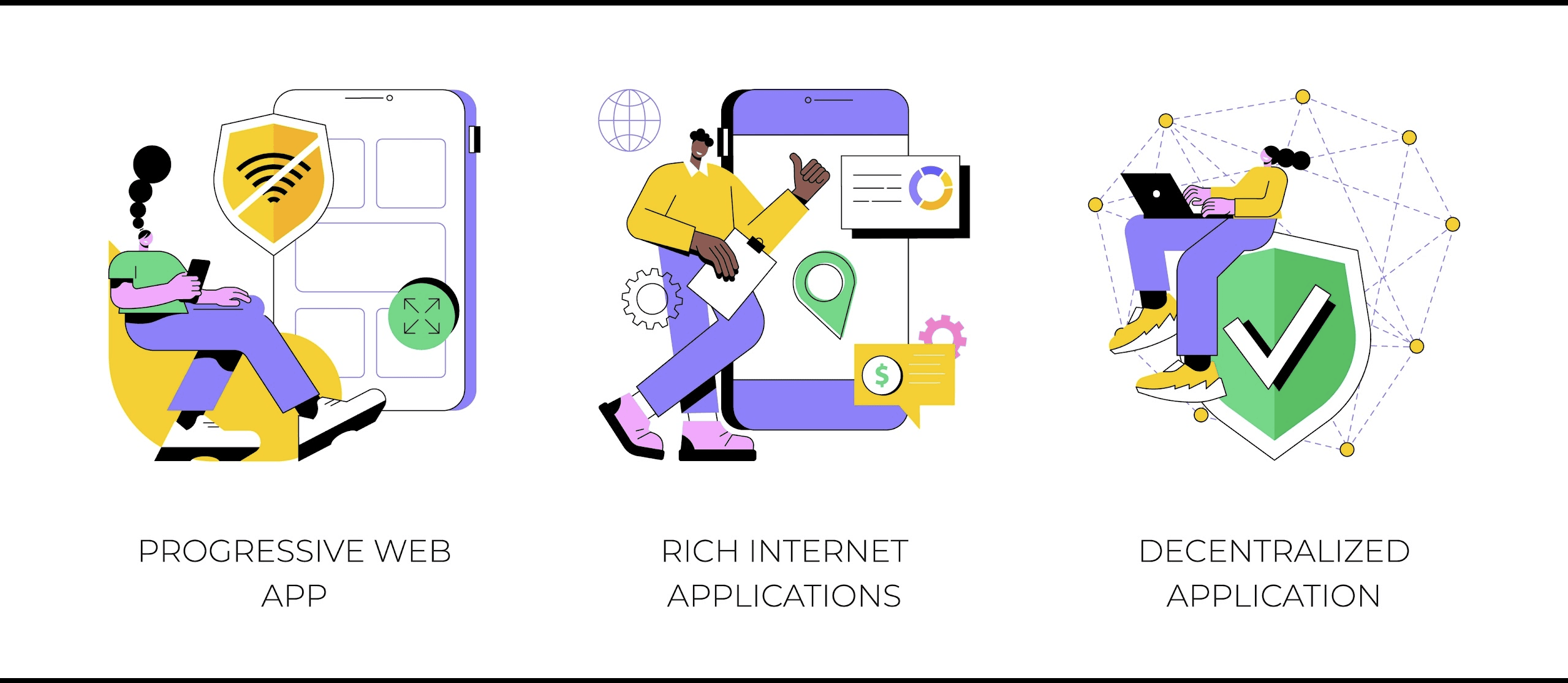
Key Features Highlight Security, Liquidity, And User Experience Across DEX Platforms. Image via Shutterstock
Decentralized exchanges thrive on transparency, code reliability, and open accessibility. But not all DEXs are built equal. The most successful ones combine strong liquidity foundations, low-cost execution, and composability with other DeFi layers. These five features define why certain platforms dominate the 2026 landscape while others fade.
Non-Custodial Control
The central principle of any DEX is user ownership of funds. Unlike centralized exchanges, traders never deposit tokens into a company wallet. Instead, smart contracts handle swaps directly from self-custodied wallets like MetaMask, Rabby, Phantom, or Ledger.
This design eliminates counterparty risk with no withdrawal freezes, no insolvency exposure. When the swap executes, assets move transparently on-chain, verifiable by anyone. In 2026, protocols such as Uniswap, THORChain, and dYdX Chain extend this further by offering self-custodial margin trading and cross-chain swaps with zero intermediaries
The key thing is that custody defines trust. The moment funds leave your wallet, only when a transaction finalizes, you’re operating trustlessly.
Liquidity & Yield Depth
Liquidity is the lifeblood of every exchange. DEXs solve this through Automated Market Makers (AMMs), where anyone can become a liquidity provider. By depositing token pairs, users earn swap fees proportional to their pool share.
Leading protocols now offer concentrated liquidity, allowing providers to target specific price ranges for better capital efficiency. Uniswap V4, for instance, enables dynamic rebalancing through programmable hooks, while Curve’s stablecoin pools and Balancer’s weighted pools specialize in minimizing slippage for volatile or pegged assets.
Smart Contracts & Transparency
Every transaction on a DEX is powered by verifiable smart contracts. These contracts execute swaps, allocate fees, and update liquidity positions without intermediaries. The transparency is absolute, the code is open-source, and every movement of tokens can be audited on-chain.
Protocols like Balancer, dYdX Chain, and Hyperliquid publish full audit trails and bug bounties. Users can see pool balances, past trades, and contract versions before interacting. This visibility makes DEXs more accountable than most centralized systems, where order matching is opaque.
Smart contracts have matured over the years. Now smart contracts have layered security measures, multi-sig governance, DAO voting, and real-time monitoring tools like DefiLlama Risk Dashboard. This creates a level of operational integrity unmatched by custodial platforms.
Cross-Chain Interoperability
With over a dozen active Layer-1 and Layer-2 ecosystems, liquidity fragmentation is a major challenge. Modern DEXs address this through cross-chain architecture, bridging isolated liquidity pools into a unified trading experience.
THORChain pioneered native Bitcoin swaps without wrapping. Osmosis connects over 80 Cosmos app-chains via IBC (Inter-Blockchain Communication). Aggregators like 1inch and CoW Swap route across multiple networks to find the most efficient execution path.
Meanwhile, protocols on Layer-2s like Arbitrum, Base, and Optimism use rollup technology to reduce fees by over 90% while maintaining Ethereum-level security
The best DEXs no longer live on one chain, but across all of them. Here is our guide to understanding blockchain interoperability
Fees & Cost Efficiency
DEX economics vary widely, but fees directly determine a trader’s profitability and a protocol’s competitiveness. Unlike centralized exchanges that charge fixed rates, DEX fees are dynamic, so they are adjusted as per the pool, per asset, and sometimes even per liquidity condition.
Uniswap V4 allows custom fee tiers between 0.01% and 1% based on volatility. Curve Finance remains the benchmark for low-slippage swaps, keeping total trade costs under 0.05% for stable pairs. Aggregators like 1inch optimize gas usage by batching routes, cutting transaction costs by up to 20%.
Layer-2 ecosystems such as Arbitrum, Optimism, and Base have dramatically reduced Ethereum’s gas overhead, making small trades practical again. Solana and BNB Chain, with sub-cent transaction costs, now process millions of micro-swaps daily
DEX vs CEX: Which Is Better for You?

DEX Vs CEX Comparison Reveals Control, Security, And Convenience Trade-Offs. Image via Shutterstock
The decentralized vs centralized debate has matured beyond ideology. In 2026, the question isn’t which is superior, but which suits your trading profile. Both DEXs and CEXs play vital roles in liquidity flow, regulation, and accessibility of Defi. The difference is that they simply optimize for different user needs.
Trading Architecture and Custody
Centralized exchanges (CEXs) function as intermediaries, holding users’ funds in custodial wallets and executing trades off-chain. This model delivers speed and familiarity but demands trust. Withdrawals can be paused, and internal ledgers aren’t publicly auditable.
DEXs flip that structure entirely. Transactions settle directly on-chain, and users never hand over private keys. Liquidity pools and smart contracts replace order books, and every trade is verifiable. Self-custody and transparency form the backbone of the DEX model, removing reliance on centralized operators
Liquidity and Market Depth
CEXs aggregate liquidity in a single order book, often providing tighter spreads and faster execution, which is critical for high-frequency traders. Exchanges like Binance, OKX, and Coinbase maintain multi-billion-dollar daily liquidity buffers, enabling institutional-grade execution speed.
DEXs, however, are catching up fast. The top five decentralized venues, Uniswap, PancakeSwap, Curve, dYdX, and THORChain, handle over $15 billion in daily combined volume, with Uniswap alone commanding ~45% of the DEX market share
The introduction of concentrated liquidity (Uniswap V3/V4) has narrowed the gap between on-chain and centralized liquidity efficiency.
Speed, Fees, and Accessibility
CEXs process trades off-chain, enabling near-instant confirmations with predictable fees. But those savings come at the cost of transparency; users rely on the exchange’s integrity for accurate pricing.
Modern DEXs on Layer-2s (like Arbitrum and Base) and high-throughput chains (like Solana) have reduced latency to under a second and transaction costs to a fraction of a cent. Tools like 1inch and CoW Swap also auto-route trades for optimal execution, often rivaling CEX pricing in aggregate efficiency.
Security and Trust
CEXs are high-value targets. A single breach or regulatory freeze can jeopardize billions in user funds. Despite improved custody standards, they remain points of failure.
DEXs distribute that risk across open smart contracts, validators, and DAOs. Exploits do occur, such as THORChain’s 2021 attack, for instance, but code transparency allows faster recovery and community oversight. Moreover, DEX users maintain control; no one can lock or confiscate funds.
| Parameter | DEX | CEX |
|---|
| Custody | Self-custodial | Exchange-controlled |
| Transparency | Full on-chain data | Internal ledger only |
| Speed | <1s on L2 / Solana | Instant (off-chain) |
| Fiat Support | Limited | Extensive |
| Liquidity Depth | High on majors | Deep across all pairs |
| Fees | 0.05–0.3% avg | 0.1–0.2% avg |
| Risk Exposure | Smart contract risk | Custodial + regulatory |
| Accessibility | Global, wallet-based | KYC-dependent |
| Trust Model | Code-based | Institution-based |
Bottom line:
- CEXs win on onboarding, fiat support, and speed.
- DEXs win on transparency, autonomy, and cross-chain reach.
Together, they define a dual ecosystem of CEXs as gateways and DEXs as settlement layers.
Risk Management for DEX Trading

Risk Management In DEX Trading Focuses On Volatility, Slippage, And Smart Contract Safety. Image via Shutterstock
Trading on decentralized exchanges offers unmatched autonomy, but it also shifts all responsibility to the user. Without centralized oversight, one must understand and mitigate the specific risks that come with on-chain execution. From smart-contract exploits to liquidity pitfalls, effective risk management separates sustainable DeFi participation from costly mistakes.
Smart-Contract Risk
Every DEX is powered by smart contracts, which are self-executing codes governing swaps, fees, and liquidity. A single vulnerability can expose millions of assets. Exploits like the THORChain 2021 breach or faulty pool logic on smaller forks remind traders that open source doesn’t mean invincible.
How to manage:
- Trade only on audited DEXs (Uniswap, Curve, dYdX, and THORChain regularly undergo external code reviews).
- Check audit history on platforms like CertiK or Code4rena.
- Revoke token approvals after use using tools like Revoke.cash or DeBank.
- Avoid unverified contracts or pools offering unrealistically high yields.
Slippage & MEV Risk
Slippage occurs when the final execution price differs from the quoted price, especially during volatile markets or thin liquidity periods. Meanwhile, Miner Extractable Value (MEV) bots front-run or sandwich trades to profit from order flow visibility.
How to manage:
- Set strict slippage tolerances (0.5% or less for stable pairs).
- Use MEV-protected RPC endpoints (Flashbots Protect, Eden Network).
- Break large trades into smaller orders to reduce front-running visibility.
- On aggregators like 1inch or Cow Swap, enable gas optimization to minimize on-chain exposure time.
Impermanent Loss (IL)
Impermanent loss affects liquidity providers when asset prices diverge from their initial deposit ratio. It’s most common in volatile pairs where one token appreciates faster than the other.
How to manage:
- Stick to correlated or stable pairs (USDT/USDC, ETH/stETH).
- Use concentrated liquidity pools like Uniswap V3/V4, which allow targeted price ranges.
- Hedge exposure via stablecoin rebalancing or delta-neutral positions.
- Track IL metrics with tools like APY. Vision or DefiLlama Pools.
Rug Pulls & Scam Tokens
DEX freedom comes with open listing risk. Anyone can deploy a token and create a liquidity pool, be it legitimate or not. Rug pulls occur when developers drain liquidity, leaving holders with worthless tokens.
How to manage:
- Verify token contracts via Etherscan, Solscan, or BscScan.
- Check liquidity lock duration on Team Finance or Unicrypt.
- Avoid pools with anonymous teams and no audits.
- Use DEX interfaces like Uniswap, which filter verified tokens by default.
Here are the top scams to watch out for if you are just stepping into the decentralized world.
Network/Gas Risks
Gas fees and network congestion can erode profit margins or even cause transaction failures. Layer-1 congestion (especially on Ethereum) spikes costs during volatile events.
How to manage:
- Schedule swaps during low network usage (early UTC hours).
- Use Layer-2 networks like Arbitrum, Base, or Optimism for lower fees.
- Maintain a buffer of native tokens for gas (ETH, SOL, or BNB).
- Confirm slippage settings before signing transactions to avoid failed swaps.
| Risk Type | What It Means | Impact | How to Mitigate |
|---|
| Smart-Contract Risk | Code exploit or logic failure | Fund loss | Trade on audited DEXs, revoke approvals |
| Slippage / MEV | Price change or front-running | Worse execution | Set tolerance, use MEV-protected RPCs |
| Impermanent Loss | LP value drop from volatility | Lower yield | Provide liquidity in stable pairs |
| Rug Pulls | Fraudulent token or pool | Total loss | Verify contract & lock data |
| Gas Volatility | Fee spikes, failed swaps | Reduced profit | Use L2s, schedule off-peak trades |
Layer-2 & High-Throughput Chains: The 2026 Reality

Layer-2 And High-Throughput Chains Redefine Scalability And Speed In 2026. Image via Shutterstock
The DEX boom wouldn’t exist without scalable infrastructure. As trading volumes exploded, on-chain execution needed speed and affordability without compromising decentralization. That’s where Layer-2 networks and high-throughput Layer-1s reshaped the entire DeFi landscape.
Rise of Layer-2 Ecosystems
Ethereum remains the liquidity hub of decentralized finance, but congestion and high gas fees forced innovation. Enter Layer-2 rollups, these are scaling solutions that process thousands of transactions off-chain and settle them back to Ethereum securely.
Arbitrum, Optimism, Base, and zkSync Era now handle a large portion of DEX activity. Together, they process over $15 billion in monthly swap volume, with average gas fees 95% lower than Ethereum mainnet.
DEXs like Uniswap V4, 1inch, and Curve dominate these rollups, offering near-instant confirmations and full composability with Ethereum-based liquidity. Traders get the best of both worlds: the security of Ethereum and the efficiency of L2 scaling.
Solana and the High-Performance Paradigm
Solana leads the Layer-1 performance race. With block times under 400 milliseconds and transaction costs below $0.01, it’s become the go-to chain for real-time swaps and micro-trades.
DEXs like Orca and Raydium leverage Solana’s parallel execution engine to process tens of thousands of trades per second, rivaling centralized exchanges. For retail traders, this means orderbook-like responsiveness with DeFi transparency.
Recent throughput benchmarks show Solana consistently handling >65,000 TPS, making it the fastest major blockchain for consumer-grade applications
Cross-Chain Liquidity Through Interoperability
With liquidity fragmented across dozens of chains, cross-chain protocols now act as bridges of value. THORChain, Axelar, and LayerZero enable swaps between Bitcoin, Ethereum, Cosmos, and Avalanche — all without wrapped assets.
This cross-pollination of liquidity has made the DEX experience multi-chain by default. Aggregators like 1inch, Jupiter (Solana), and Odos scan multiple blockchains simultaneously to offer the best route execution.
As of 2025, over 28% of all DEX trades were cross-chain, a milestone that highlights how interoperability has become an operational standard, not a technical luxury
The ZK-Rollup Breakthrough
Zero-Knowledge (ZK) rollups are the next frontier. By using cryptographic proofs to validate batches of transactions, they combine privacy, scalability, and security in one framework.
Projects like Starknet, zkSync, and Scroll are integrating DEXs that settle trades instantly while maintaining full on-chain verifiability. ZK systems reduce both gas and latency, creating CEX-like speed with blockchain assurance.
| Network | Type | Avg TPS | Avg Fee | Leading DEXs | Key Advantage |
|---|
| Arbitrum | Layer-2 Rollup | 5,000+ | <$0.05 | Uniswap, GMX | Low fees, EVM compatible |
| Optimism | Layer-2 Rollup | 3,500+ | <$0.05 | Curve, Velodrome | Shared liquidity with L1 |
| Base | Layer-2 Rollup | 4,000+ | <$0.04 | Aerodrome, Uniswap | Coinbase-backed scaling |
| zkSync Era | ZK-Rollup | 2,000+ | <$0.03 | SyncSwap, Mute.io | Privacy + fast settlement |
| Solana | High-Speed L1 | 65,000+ | <$0.01 | Orca, Raydium | True real-time swaps |
| THORChain | Cross-Chain DEX | ~10 TPS (native swaps) | Variable | THORSwap | BTC-native cross-chain liquidity |
How to Start Trading on a DEX (Step-by-Step)
Step 1: The first step before we begin trading is to select a crypto wallet that supports your preferred blockchain. Top picks include MetaMask, Coinbase Wallet, and Trust Wallet. For large funds, use hardware wallets like Ledger or Trezor
Step 2: Pick a DEX that matches your chain and trading style, for instance, Uniswap for Ethereum, PancakeSwap for BNB Chain, or Osmosis for Cosmos. Compare swap fees, token availability, and liquidity before choosing
Step 3: Fund Your Wallet. Buy crypto from a centralized exchange (CEX) and withdraw to your wallet, or use fiat on-ramps like MoonPay or Ramp Network. You can also bridge assets from another chain to start trading
Step 4: Connect and Trade. Select your trading pair, check price impact and fees, set slippage tolerance (typically 0.5%–1%), and confirm the transaction.
Best security practices to follow include:
- Verify contract addresses from official sources.
- Start with small test swaps.
- Avoid excessive token approvals.
- Never share your seed phrase.
- Use a hardware wallet for long-term or high-value holdings
Taxes & Record-Keeping
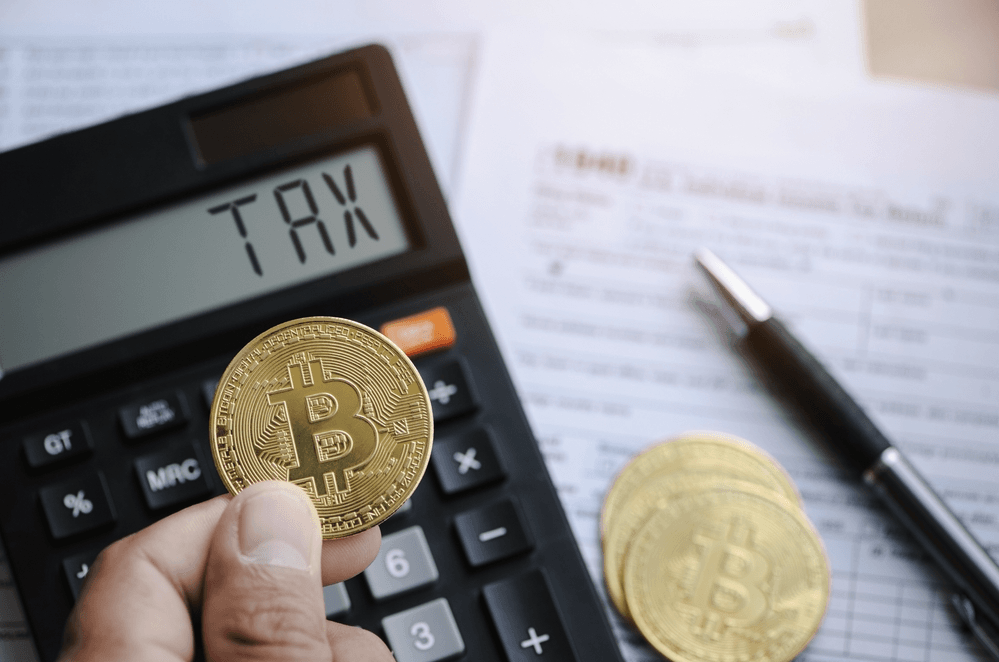
Taxes And Record-Keeping Ensure Compliance And Transparency In Decentralized Trading Activities. Image via Shutterstock
Trading on decentralized exchanges carries the same tax obligations as centralized platforms. Each swap, liquidity provision, or yield withdrawal can be classified as a taxable event, depending on your jurisdiction.
Understanding DEX Tax Obligations
When you trade, stake, or swap tokens on a DEX, you trigger a capital gain or loss. Since these actions are on-chain, the responsibility for documentation lies entirely with the user. Unlike CEXs, DEXs do not issue transaction summaries or annual reports.
Most countries now require traders to record:
- Transaction hashes
- Date and time of swap
- Asset values at transaction time (in fiat)
- Wallet addresses and counterparty tokens
Failing to track these accurately can result in compliance penalties or reporting gaps. Here is a guide to crypto taxes and the obligations for crypto owners in 2026.
How to Keep Records Efficiently
- Export data regularly from platforms like DeBank, Zapper, or the DEX itself.
- Use blockchain explorers (Etherscan, Solscan, etc.) to retrieve historical swaps.
- Integrate tools such as Koinly, CoinTracking, or ZenLedger to automate gain/loss calculations.
- Save CSV exports monthly to prevent data loss or RPC node resets
Software Integrations for Accuracy
Most modern tax platforms now support wallet sync via APIs or read-only keys. For multi-chain portfolios, cross-chain tax tools automatically recognize swaps, LP rewards, and staking yields across Ethereum, BNB, Solana, and Cosmos.
Some DEXs also provide built-in reporting APIs, letting you sync your wallet with accounting software directly. Never share private keys or seed phrases when linking wallets. Tax software only needs read-only public addresses. Always double-check app permissions before connecting.